Introduction
The National Handicap Insurance coverage System (NDIS) is critical in Australia, supplying support and solutions to people with disabilities. Among the crucial components of NDIS financing is specialized training programs focused on gearing up caregivers with the essential abilities to take care of intricate wellness requirements. Among these, NDIS Complex Bowel Care Training sticks out as an essential program made for carers, family members, and health care experts. This extensive guide will explore every aspect of complex bowel care, consisting of stoma care training, bowel management techniques, and the value of tailored education and learning for those taking care of people with ostomies.
Understanding NDIS Complex Bowel Care Training
What is NDIS Complex Bowel Care Training?
NDIS Complex Bowel Care Training is a specific program tailored to educate caretakers on managing complicated digestive tract concerns connected with handicaps. This training covers various subjects, consisting of bowel care management strategies, understanding different types of stomas, and useful abilities required for reliable care.
Importance of Specialized Training
As caregiving functions advance, so does the need for specialized understanding. Many people coping with impairments encounter stomach challenges that require unique methods to care. For that reason, training programs like the complex digestive tract treatment course give vital devices and knowledge to make sure that caregivers can deliver the best assistance possible.
Who Must Sign up in the Training?
This training is essential for:
- Family participants or good friends working as main caregivers. Healthcare specialists looking for to boost their know-how in digestive tract management. Support employees associated with impairment services. Anyone curious about understanding better exactly how to take care of an ostomy or handle complicated digestive tract conditions.
The Parts of NDIS Complex Bowel Care Training
Overview of Course Content
The complex digestive tract treatment course commonly consists of:
Fundamentals of digestive tract composition and physiology. The duty of diet regimen and nourishment in bowel health. Techniques for evaluating digestive tract function. Practical skills associated with ostomy care and stoma management. Strategies for managing irregular bowel movements, diarrhea, and various other complications.Understanding Stomas and Ostomies
What is a Stoma?
A stoma is a surgically created opening up that connects an interior organ to the outside of the body. It's typically required after surgical treatments bowel care courses including the intestines or bladder as a result of illness such as cancer or inflammatory digestive tract condition (IBD).
What is an Ostomy?
An ostomy refers to the treatment that develops a stoma; it can include different body organs consisting of:
- Colostomy (huge intestine) Ileostomy (small intestine) Urostomy (urinary system)
What is Ostomy Care?
Ostomy treatment incorporates all techniques associated with preserving health around a stoma website, making sure appropriate function of the ostomy bag, and recognizing signs of prospective difficulties such as infection or blockage.
Key Knowing Outcomes from NDIS Complex Bowel Care Training
Enhanced Understanding of Bowel Management
Participants will obtain understandings right into reliable digestive tract management methods customized for people with differing capacities and needs.
Skills in Stoma Care
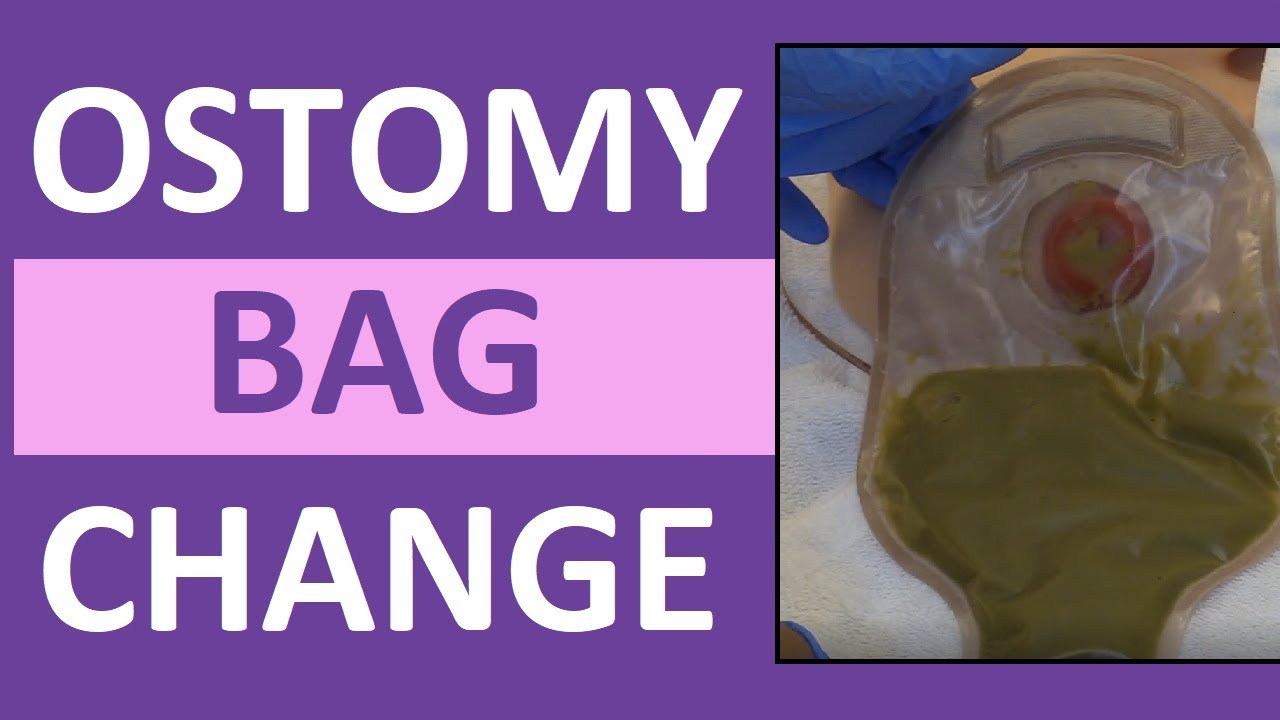
Comprehensive training equips carers with essential abilities related to transforming ostomy bags, skin defense around the stoma site, and acknowledging indicators that might require clinical attention.
Increased Self-confidence in Supplying Care
With durable training comes confidence. Carers will certainly really feel more outfitted to handle sensitive circumstances bordering bowel care without sensation bewildered or uncertain.
Bowel Care Management Techniques
Dietary Considerations
Diet plays an important function in handling digestive tract health. Carers ought to recognize foods that promote healthy digestion versus those that might worsen issues like irregular bowel movements or diarrhea.
Foods Beneficial for Digestive Wellness:
- High-fiber fruits and vegetables Whole grains Lean proteins Adequate hydration
Practical Skills Development
Hands-on method throughout training enables individuals to involve actively with devices related to bowel care management, like:
- Using electronic applications for tracking nutritional intake Hands-on demonstrations on changing ostomy bags Workshops on making use of assistive tools if needed
Stoma Treatment Training: Crucial Skills for Carers
Importance of Stoma Care Training for Carers
Effective stoma care can significantly improve a person's quality of life post-surgery. Understanding just how to manage an ostomy appropriately guarantees fewer problems occur over time.
Key Subjects Covered in Stoma Care Training
Stoma care training consists of comprehensive lessons on:
Proper cleaning techniques. How to determine skin irritabilities early. Management methods when traveling or engaging in physical activities.Hands-On Discovering Opportunities
Many programs offer substitute atmospheres where carers can exercise their abilities on versions prior to using them in real-life situations.
The Role of Ongoing Education
Why Continuous Knowing Matters
Healthcare methods constantly advance; remaining upgraded makes certain caregivers are giving evidence-based treatment reflective of current ideal practices.
Online Resources
Participants are encouraged to utilize online resources post-training, consisting of discussion forums where they can ask questions or share experiences concerning ndis facility digestive tract care
Understanding Personal Experiences
Case Researches: Real-Life Impacts
Incorporating case studies within training helps illustrate just how reliable complex bowel care enhances results for individuals living with disabilities.
Example Case Study 1: John's Trip Post-Surgery
John had problem adjusting after going through colostomy surgery but thrived as soon as his carer executed discovered strategies from their complex bowel care training program.
Example Study 2: Sarah's Experience with Ostomy Management
Sarah really felt separated up until her carer learned about nutritional modifications that greatly boosted her comfort degree post-surgery.
Challenges Dealt with by Carers
Emotional Challenges
Caring for someone with complex wellness demands can take an emotional toll on caregivers; hence, comprehending coping techniques ends up being essential throughout training sessions.
Physical Demands
Training additionally deals with physical aspects-- like training individuals securely-- to minimize injury dangers both for carers and those they assist.
Resources Offered Post-Training
Accessing Support Networks
Participants are motivated to sign up with support groups where they can go over experiences and difficulties faced while taking care of individuals needing complicated bowel assistance.
Continuing Education Opportunities
Many companies provide advanced training courses concentrating especially on sophisticated stoma care or specialized diets helpful post-surgery which participants might find valuable long-lasting.
FAQs Concerning NDIS Complex Bowel Care Training
What requirements are needed for enlisting in NDIS Complex Bowel Care Training?- Generally no certain requirements exist; nevertheless knowledge with standard caregiving principles can be beneficial.
- Most programs extend numerous weeks relying on web content deepness; some offer intensive weekend workshops too!
- Yes! Successful grads normally receive certificates recognizing their proficiency in complex bowel administration principles!
- Absolutely! Many eligible participants have accessibility financing through their plans specifically aimed at instructional pursuits!
- Yes! Several reputable organizations supply flexible on the internet components catering in the direction of hectic routines while still delivering detailed materials!
- Consulting healthcare professionals familiarizes you better regarding possible signs needing skilled treatment along education and learning methods available!
Conclusion
Understanding NDIS Complex Bowel Care Training represents not simply a necessity but also a chance-- a chance to improve lives with education and learning and compassion-driven caregiving methods! With improvements within this area proceeding daily together with expanding awareness around special needs issues internationally-- each step taken today leads us in the direction of brighter futures loaded hope & & healing opportunities! By investing time into learning more about these important elements bordering intestinal tract wellness along associated subjects like stomas & & ostomies-- it gears up everybody involved-- from people themselves all means down member of the family helping them-- in browsing trips effectively whatever obstacles arise together strongly encountering them head-on!